What is Restaurant Food Safety Software and Why Should Restaurants Use It to Maximize Efficiency?
Restaurant food safety software is a specialized digital platform that helps food service establishments maintain compliance with health regulations while streamlining their daily safety operations. These systems replace traditional paper-based processes with automated tools for monitoring, documenting, and managing critical food safety tasks.
Maximizing efficiency becomes essential when restaurants face mounting pressure to maintain perfect safety records while managing tight labor budgets. Every minute staff members spend filling out paper logs or searching through filing cabinets represents time away from serving customers and preparing food. The cost of inefficiency extends beyond wasted hours—it includes increased risk of violations, potential foodborne illness outbreaks, and damage to reputation.
How Traditional Methods Create Inefficiencies
Traditional manual methods create significant operational bottlenecks that drain resources:
- Paper-based record keeping requires physical storage space, makes information retrieval time-consuming, and creates vulnerability to loss or damage
- Handwritten logs often contain illegible entries, incomplete data, or forgotten tasks that compromise compliance
- Manual temperature checks depend entirely on staff remembering to perform them at correct intervals
- Scattered documentation across multiple binders and locations makes audit preparation stressful and labor-intensive
The gap between regulatory requirements and practical execution widens when restaurants rely solely on manual processes. Staff turnover means constant retraining on procedures, while human error remains an unavoidable risk factor.
How Restaurant Food Safety Software Can Help
Restaurant food safety software addresses these pain points by digitizing workflows, automating reminders, and creating a centralized system that ensures nothing falls through the cracks. This technological approach transforms food safety from a burdensome checklist into an integrated part of daily operations.
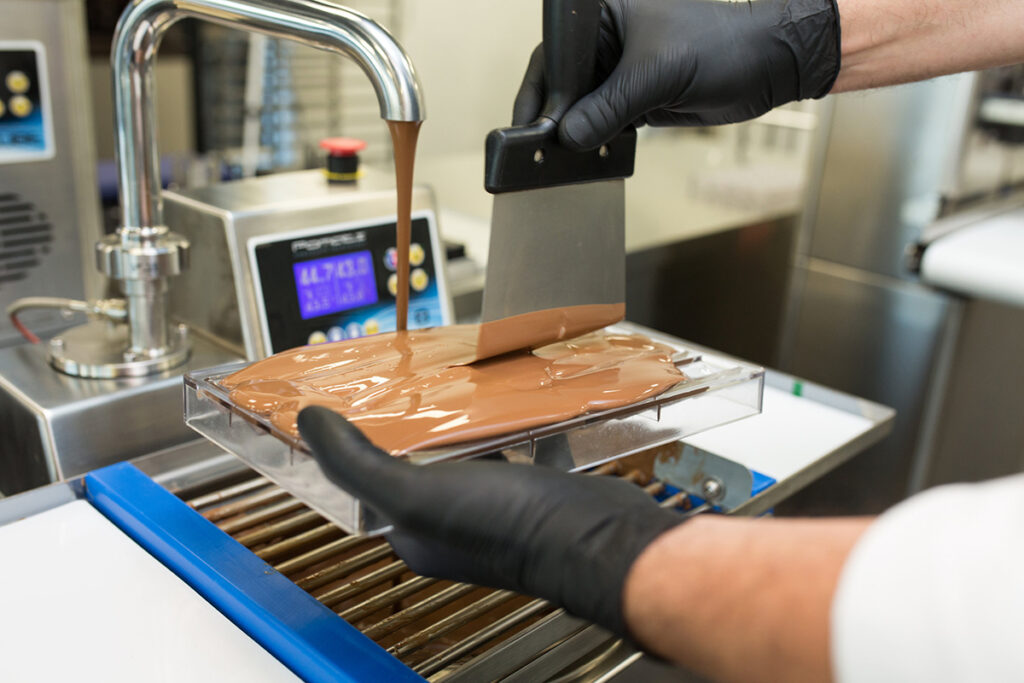
What Challenges Do Traditional Food Safety Methods Present That Make Restaurants Consider Software Solutions?
Manual food safety processes create significant operational bottlenecks that drain resources and increase risk exposure. Paper-based systems require staff to physically record temperatures, inspection results, and cleaning schedules multiple times daily, leading to incomplete entries, illegible handwriting, and missing documentation during health inspections.
1. Record-keeping challenges
Record-keeping challenges compound when restaurants attempt to maintain compliance across multiple locations or shifts. Physical logbooks get misplaced, damaged by kitchen conditions, or filled out incorrectly without immediate oversight. When health inspectors request historical data, managers often spend hours searching through filing cabinets or storage boxes to locate specific records from weeks or months prior.
2. Human error becomes inevitable
Human error becomes inevitable with repetitive manual documentation. Staff members rushing through busy service periods may forget to log critical control points, record incorrect temperatures, or skip entire checklists. A single missed temperature check on refrigerated items could result in serving compromised food to customers, creating serious health risks and potential legal liability.
3. Traceability tracking presents another major obstacle
Traceability tracking presents another major obstacle for restaurants using traditional methods. When a foodborne illness outbreak occurs or a supplier issues a recall, establishments must quickly identify affected products and trace them through their entire supply chain. Manual systems require staff to:
- Manually cross-reference invoices with receiving logs
- Search through handwritten inventory records
- Contact suppliers individually for batch information
- Physically inspect storage areas to locate specific items
This process can take days rather than hours, extending customer exposure to contaminated products and amplifying potential damage to the restaurant’s reputation.
4. Compliance monitoring issues intensify
Compliance monitoring issues intensify as regulatory requirements become more complex. Staff must stay current with changing local, state, and federal food safety regulations while managing daily operations. Training new employees on proper documentation procedures takes considerable time, and ensuring consistent adherence across all team members requires constant supervision.
5. Audit preparation becomes a resource-intensive nightmare
Audit preparation becomes a resource-intensive nightmare with manual systems. Managers spend entire days organizing scattered paperwork, verifying completeness of records, and creating summary reports for inspectors. Missing or incomplete documentation during audits can result in violations, fines, or temporary closure orders that devastate revenue and customer trust.
The time burden of manual compliance monitoring pulls managers away from strategic responsibilities. Instead of focusing on menu development, customer service, or staff development, they’re stuck verifying that temperature logs
How Does Food Safety Software Automate Key Compliance Tasks to Improve Operational Efficiency for Restaurants?
Automation in food safety transforms how restaurants handle compliance by replacing time-intensive manual processes with intelligent, self-executing systems. Food safety software eliminates the need for staff to manually complete, file, and retrieve paper-based compliance documents, instead creating digital workflows that run independently.
Automated Audits and Inspections to Reduce Human Error
Inspections software guides employees through standardized audit procedures using digital checklists that ensure no critical steps get overlooked. The system prompts users to complete specific tasks at designated times, automatically flags incomplete items, and prevents submission until all required fields contain valid data. When a staff member conducts a walk-through inspection, the software presents questions in a logical sequence, applies conditional logic to show relevant follow-up items based on previous answers, and captures photo evidence directly within the audit record.
Audits automation eliminates common mistakes like skipped temperature checks, illegible handwriting, or misplaced documentation. The software validates entries in real-time, rejecting values that fall outside acceptable ranges and requiring immediate corrective action before proceeding. A restaurant using automated inspection tools can complete health department-style audits in 15-20 minutes compared to 45-60 minutes with paper methods, while simultaneously improving accuracy rates from approximately 70% to over 95%.
Digital audit trails capture exactly who performed each inspection, when it occurred, and what findings emerged. Management can review completed audits remotely within minutes of submission rather than waiting for physical paperwork to reach the office. The system automatically schedules recurring inspections based on regulatory requirements or internal policies, sending reminders to assigned staff members before tasks become overdue.
Real-Time Temperature Monitoring and Alerts
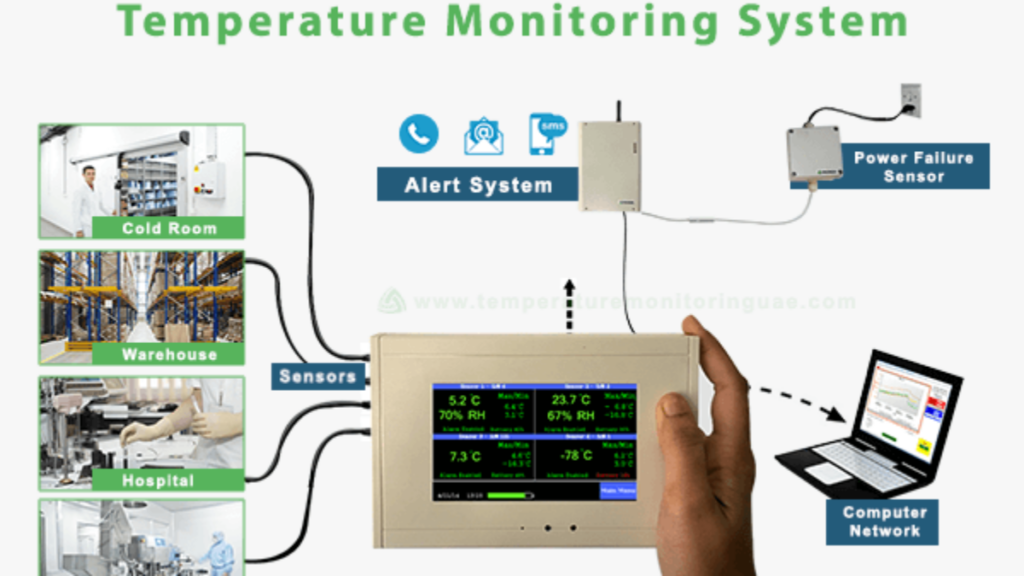
Temperature monitoring systems connect wireless sensors to refrigeration units, freezers, hot holding equipment, and cooking stations, continuously recording data at intervals as frequent as every 60 seconds. When readings drift outside safe zones—typically below 41°F for cold storage or above 135°F for hot holding—the software immediately sends notifications via text message, email, or in-app alerts to designated personnel.
This constant surveillance catches equipment malfunctions before they compromise entire inventories. A failing compressor that gradually warms a walk-in cooler can be identified early through temperature logs and prompt action taken to salvage perishable items.
How Centralized Information Enhances Operational Efficiency for Restaurants Using Food Safety Software
Centralized data storage eliminates the chaos of scattered paperwork and fragmented record systems that plague traditional food safety management. Restaurant food safety software consolidates all compliance documents, temperature logs, inspection reports, and training records into a single, cloud-based platform accessible from any authorized device.
This unified approach transforms how quickly staff can retrieve critical information during health inspections or internal audits. A manager can pull up three months of refrigeration logs in seconds rather than rifling through filing cabinets or multiple spreadsheets. When health inspectors arrive unannounced, employees access complete documentation instantly from tablets or smartphones, demonstrating compliance without delays or missing paperwork.
The benefits of centralized storage extend across multiple operational areas:
- Kitchen managers review historical data to identify equipment maintenance patterns
- Corporate teams monitor compliance across multiple locations from a single dashboard
- Auditors trace ingredient sourcing and handling procedures through interconnected records
- Staff members verify proper procedures without searching through binders or asking supervisors
Staff communication tools embedded within food safety platforms create transparent information flow between front-line employees and management teams. Digital task assignments replace handwritten notes and verbal instructions that often get lost or misunderstood during busy service periods.
When a walk-in cooler temperature rises above safe thresholds, the system automatically notifies the kitchen manager, maintenance staff, and general manager simultaneously. Everyone sees the same real-time alert, understands the severity, and can coordinate responses without playing phone tag or relying on one person to relay messages.
Shared platforms enable kitchen staff to document completed safety checks that management reviews remotely. A sous chef logs receiving temperatures for a seafood delivery, and the executive chef verifies the entries from their office or even off-site. This visibility creates accountability while reducing the need for constant physical supervision.
The collaborative nature of these systems supports shift handoffs with precision. Closing staff document any food safety concerns or incomplete tasks directly in the software, ensuring opening crews receive accurate information about what requires attention. Notes about equipment malfunctions, inventory issues, or procedural deviations stay visible until resolved and marked complete.
Maximizing efficiency with restaurant food safety software depends heavily on how well information flows through the organization. Centralized platforms break down communication silos that traditionally hindered operational effectiveness. Additionally, adopting a centralized Emergency Operations Center (EOC) model can further enhance response times during critical situations by streamlining communication and decision-making processes across all levels of the organization.
What Are the Essential Features of Restaurant Food Safety Software That Contribute to Maximizing Efficiency?
The most impactful features revolve around customizable checklists and HACCP compliance tools that adapt to each restaurant’s unique operational requirements. These capabilities transform generic software into a tailored solution that addresses specific kitchen workflows, menu items, and regulatory obligations.
Customizable Checklists and Templates
Digital checklists eliminate the guesswork from daily food safety routines. Restaurant managers can create inspection templates for opening procedures, closing protocols, equipment maintenance, and supplier receiving processes. A seafood restaurant might configure temperature check intervals every two hours for cold storage, while a bakery could set up different monitoring schedules for proofing cabinets and display cases.
The customization extends beyond timing—restaurants can add photo requirements, signature fields, and corrective action prompts specific to their standard operating procedures. Staff members access these checklists through tablets or smartphones, checking off tasks as they complete them. The software timestamps each entry and flags incomplete items, ensuring nothing falls through the cracks during busy service periods.
Templates save considerable setup time when establishing new protocols. Rather than building inspection forms from scratch, managers can duplicate existing templates and modify them for different stations or shifts. Quick-service restaurants with multiple locations benefit particularly from this feature, rolling out standardized procedures across all sites while allowing individual managers to adjust for local health department requirements.
HACCP Compliance Tools
Building and maintaining HACCP plans becomes manageable through dedicated software modules. These tools guide users through the seven HACCP principles with structured workflows that identify critical control points, establish monitoring procedures, and document corrective actions. A restaurant preparing raw proteins can map out specific CCPs for cooking temperatures, cooling protocols, and reheating procedures.
The software generates hazard analysis documentation automatically based on menu items and preparation methods. When a restaurant introduces a new dish, the system prompts managers to evaluate potential biological, chemical, and physical hazards, then integrates appropriate control measures into existing monitoring schedules. This dynamic approach keeps food safety plans current without requiring complete rewrites.
Verification activities become systematic rather than sporadic. The software schedules calibration reminders for thermometers, tracks validation testing results, and maintains records of HACCP plan reviews. During health inspections, managers can instantly pull up comprehensive
How Can Restaurants Use Accurate Data in Food Safety Software for Better Decision-Making and Risk Management?
Accurate data in food safety software removes the uncertainty and inconsistencies that come with manual record-keeping systems. Digital platforms automatically capture precise measurements, timestamps, and compliance data, providing a reliable basis for important business decisions regarding food handling, storage procedures, and staff training priorities.
Reducing Human Error Through Automated Data Collection
Manual temperature logs often have common errors such as illegible handwriting, forgotten entries, or staff members filling out entire weeks of data at once. Food safety software eliminates these weaknesses by directly connecting to digital thermometers and sensors that record exact temperatures at specific intervals. The system immediately alerts any readings that fall outside acceptable ranges, preventing the “pencil whipping” phenomenon where employees write down acceptable numbers without actually checking equipment.
Automated systems also prevent calculation mistakes in HACCP critical control point monitoring. When staff manually track cooking times, cooling procedures, or sanitizer concentrations, simple math errors can lead to compliance gaps. Software automatically performs these calculations and consistently applies the correct formulas every time.
Turning Raw Data Into Actionable Insights
Trend analysis software transforms thousands of individual data points into visual dashboards that reveal patterns hidden in paper records. For example, a restaurant might discover that their walk-in cooler consistently runs 2-3 degrees warmer during afternoon shifts, indicating an equipment problem before it leads to food spoilage or health code violations.
The software also identifies recurring issues across multiple locations for chain restaurants. If three locations show increased temperature deviations during specific delivery windows, management can systematically investigate supplier practices or adjust receiving procedures instead of treating each incident as separate.
Predicting Risks Using Historical Data
Advanced platforms examine past compliance data to forecast future risk scenarios. For instance, the system might find that certain menu items are associated with more temperature control problems, prompting recipe changes or additional staff training for those specific preparations. This proactive approach helps prevent issues before they affect food safety or result in health department citations.
Risk scoring algorithms assess multiple factors at once—such as equipment age, staff training completion rates, inspection history, and seasonal volume patterns—to create a comprehensive risk profile for each location. Managers receive prioritized action lists based on which issues pose the greatest immediate threats to food safety compliance.
Immediate Response with Real-Time Reporting
Digital dashboards provide instant access to critical information about food safety performance across all locations. When managers notice a spike in temperature violations or sanitation deficiencies on their dashboards, they can quickly deploy corrective actions such as retraining staff or scheduling maintenance visits.
Real-time reporting empowers decision-makers to act swiftly rather than waiting for weekly or monthly reports that may delay necessary interventions. By addressing problems promptly when they arise, restaurants can maintain consistent compliance standards and minimize the risk of costly penalties or reputational damage.
How Can Food Safety Software Help Restaurants Reduce Labor Costs While Increasing Productivity?
Restaurant food safety software delivers significant labor cost reduction by eliminating hours spent on manual documentation. Staff members no longer need to fill out paper logs, manually calculate temperatures, or transcribe data from multiple sources into compliance reports. The software captures this information automatically, freeing up employees to handle customer-facing responsibilities and food preparation tasks.
1. Streamlining Compliance Processes
Digital automation transforms time-intensive compliance activities into streamlined processes:
- A manager who previously spent 10-15 hours weekly organizing safety records can now access organized, searchable data in minutes.
- Temperature logs that once required manual entry every few hours now populate automatically through connected sensors, cutting documentation time by up to 70%.
2. Redirecting Employee Efforts
Productivity improvement accelerates when employees redirect their energy toward revenue-generating activities:
- Line cooks concentrate on food quality and service speed rather than stopping to record refrigerator temperatures.
- Front-of-house staff focus on customer experience instead of hunting down paper checklists.
- Kitchen managers dedicate more time to menu development and team training rather than administrative paperwork.
3. Reducing Redundant Tasks
The software reduces redundant tasks that drain workforce efficiency:
- Instead of multiple team members checking the same equipment or duplicating inspection efforts, the system assigns specific responsibilities and tracks completion in real-time.
- This coordination prevents overlapping work and ensures comprehensive coverage without wasted effort.
Maximizing Efficiency with Restaurant Food Safety Software means converting labor hours from compliance overhead into operational value. A restaurant with 20 employees might reclaim 40-60 staff hours monthly by automating safety documentation alone. Those recovered hours translate directly into better service quality, faster table turnover, or reduced overtime expenses.
4. Enhancing Mobile Accessibility
Mobile accessibility amplifies these productivity gains:
- Employees complete safety checks using tablets or smartphones while moving through their regular duties, eliminating trips to a back office computer.
- Managers review compliance status from any location, making informed decisions without being physically present at the restaurant.
5. Financial Impact Beyond Time Savings
The financial impact extends beyond immediate time savings:
- Reduced paperwork means lower supply costs for forms, clipboards, and filing systems.
- Fewer administrative errors mean less time spent correcting mistakes or responding to audit findings.
- Staff turnover decreases when employees spend less time on tedious paperwork and more time on engaging work they were hired to perform.
How Does the Software Foster a Strong Culture of Food Safety Within Restaurants, Leading to Enhanced Compliance Efficiency?
Food safety software transforms organizational culture by embedding safety practices into daily operations through staff training tools and systematic reinforcement. The technology creates an environment where food safety becomes second nature rather than an afterthought, directly impacting compliance efficiency across all restaurant operations.
Building Knowledge Through Integrated Training Modules
Modern food safety platforms include built-in training systems that deliver consistent education to all team members regardless of shift schedules or locations. These modules provide:
- On-demand video tutorials covering critical topics like proper handwashing, cross-contamination prevention, and allergen management
- Interactive quizzes and assessments that verify comprehension before employees handle food
- Certification tracking that automatically alerts managers when staff credentials need renewal
- Multi-language support ensuring every team member understands safety protocols regardless of their primary language
The software maintains detailed records of who completed which training and when, eliminating gaps in knowledge that often lead to violations. Managers can identify specific employees or entire shifts requiring additional instruction based on assessment scores or incident patterns.
Creating Accountability Through Digital Documentation
Digital checklists and task assignments create clear ownership of food safety responsibilities. When employees sign off on temperature checks or cleaning tasks through the software, they acknowledge their role in maintaining standards. This digital paper trail establishes accountability that paper logs simply cannot match.
The system sends automatic reminders for recurring tasks like equipment calibration or deep cleaning schedules, preventing oversights that compromise safety. Staff members receive notifications on tablets or mobile devices, making it impossible to claim they “forgot” or “didn’t know” about required procedures.
Reinforcing Standards Through Real-Time Feedback
Food safety software enables immediate corrective action when deviations occur. If a refrigerator temperature exceeds safe limits, the system alerts relevant staff instantly rather than waiting for someone to review handwritten logs hours later. This rapid response mechanism teaches employees that food safety requires constant vigilance.
Managers can use the software’s reporting features to recognize employees who consistently follow protocols, creating positive reinforcement for food safety culture development. Public acknowledgment of compliance excellence motivates teams to maintain high standards and sets clear expectations for new hires.
Standardizing Procedures Across Multiple Locations
Why Is Customer Confidence Enhanced Through Effective Food Safety Management Enabled by Software Solutions in Restaurants?
Restaurant food safety software directly strengthens customer trust in restaurants by providing verifiable proof of compliance and safety standards. When establishments can demonstrate their commitment to food safety through documented processes and real-time monitoring, diners feel more secure about their dining choices.
How Does Regulatory Compliance Visibility Build Trust?
Regulatory compliance visibility transforms from an internal process into a customer-facing advantage. Software solutions maintain comprehensive digital records of health inspections, temperature logs, and cleaning schedules that restaurants can share when requested. Many establishments now display their safety scores and certifications prominently, backed by the accurate data their software systems generate.
Digital compliance tracking ensures restaurants meet requirements from:
- Local health departments and municipal codes
- State-level food safety regulations
- Federal standards including FDA Food Code guidelines
- Industry-specific certifications (ServSafe, HACCP)
This multi-layered compliance becomes immediately accessible during health inspections, reducing violations and improving public health ratings that customers review before choosing where to eat.
What Role Does Transparent Reporting Play in Customer Reassurance?
Transparent reporting capabilities allow restaurants to share their food safety practices with patrons in meaningful ways. Software-generated reports document every critical control point, from receiving deliveries to final plate presentation. These detailed records prove that food handling procedures follow established protocols consistently.
Modern consumers increasingly research restaurants before visiting, checking online reviews and health inspection scores. Establishments using food safety software maintain cleaner compliance records, resulting in higher ratings on public health department websites. Some restaurants even provide QR codes linking to their safety certifications and recent inspection results, demonstrating proactive transparency.
Real-time monitoring data offers another layer of reassurance. When customers see staff using tablets for temperature checks or digital checklists, it signals a professional approach to food safety. This visible commitment to systematic safety protocols creates immediate confidence in the establishment’s standards.
How Do Digital Records Respond to Customer Concerns?
Software solutions enable rapid response when customers raise food safety questions. Instead of searching through paper files, managers access complete traceability information within seconds. If a patron inquires about allergen protocols or ingredient sourcing, staff can pull up documented procedures and supplier certifications instantly.
This responsiveness extends to potential foodborne illness
The Future of Restaurant Food Safety Management: Embracing Software Solutions for Maximized Efficiency and Success
What does the future hold for restaurants that embrace food safety software?
The future of restaurant food safety management centers on digital transformation. Restaurants that maximize efficiency with software position themselves for sustained competitive advantage in an increasingly regulated industry. Technology-driven compliance becomes the standard, not the exception.
How has food safety software fundamentally changed restaurant operations?
Restaurant food safety software has changed daily operations by getting rid of paper-based systems and manual tracking. The shift from reactive to proactive management allows restaurants to identify potential hazards before they escalate into costly violations or health crises. Real-time monitoring capabilities mean managers can address temperature deviations, expired inventory, or protocol breaches instantly rather than discovering issues during audits.
What operational advantages do restaurants gain from implementing these systems?
Restaurants experience measurable improvements across multiple operational areas:
- Time savings: Staff spend 60-70% less time on compliance documentation
- Error reduction: Automated systems eliminate 95% of manual recording mistakes
- Cost control: Reduced food waste through better temperature monitoring and inventory tracking
- Audit readiness: Instant access to comprehensive records during health inspections
- Scalability: Multi-location restaurants maintain consistent standards across all sites
How does software integration support long-term business success?
Maximizing efficiency with restaurant food safety software creates a foundation for sustainable growth. Restaurants can expand operations confidently, knowing their compliance infrastructure scales seamlessly. The data collected provides insights into operational patterns, helping owners make informed decisions about menu planning, staff scheduling, and resource allocation.
Why is digital compliance becoming non-negotiable?
Regulatory bodies increasingly expect digital record-keeping and traceability. The FDA’s Food Safety Modernization Act (FSMA) and similar regulations worldwide emphasize preventive controls and rapid response capabilities. Software solutions provide the documentation depth and accessibility required to meet these evolving standards. Restaurants without digital systems face growing disadvantages during inspections and potential liability exposure.
What role does continuous improvement play in the future of food safety?
The future of restaurant food safety management relies on continuous learning and adaptation. Software platforms that incorporate machine learning can identify patterns in safety incidents, predict high-risk periods
More about Revolutionize Your Kitchen with Wireless Temperature Monitoring